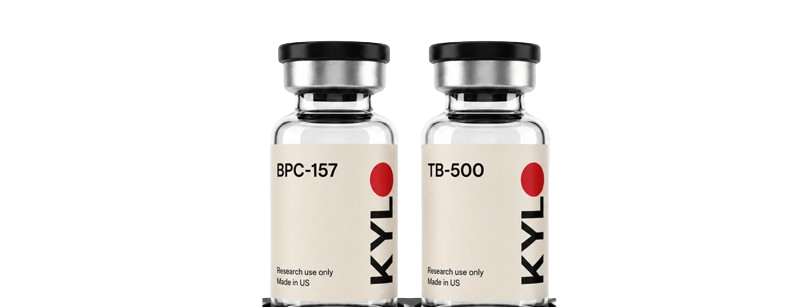
Kylo peptides have emerged as a focal point in contemporary biochemical research, capturing the interest of scientists and medical professionals alike. These small chains of amino acids are being studied for their potential therapeutic applications across various fields, including oncology, neurology, and immunology. The burgeoning interest in kylo peptides is driven by their unique properties and the promising outcomes observed in preliminary studies.
One of the key factors contributing to the growing fascination with kylo peptides is their ability to interact specifically with cellular receptors, thereby modulating biological processes with high precision. This specificity reduces the likelihood of side effects compared to conventional drugs that may affect multiple pathways indiscriminately. As a result, researchers are optimistic about developing more targeted therapies that can offer significant benefits over existing treatments.
In oncology, for instance, kylo peptides are being explored as potential agents for targeting cancer cells without harming healthy tissues. Their capacity to penetrate cell membranes and deliver therapeutic payloads directly into malignant cells holds promise for Kylo Peptides enhancing the efficacy of chemotherapy while minimizing adverse effects. Studies have shown that certain kylo peptides can inhibit tumor growth and even induce apoptosis in cancerous cells through mechanisms yet to be fully understood but undeniably compelling.
The field of neurology also stands to benefit from advances in kylo peptide research. Neurological disorders such as Alzheimer’s disease and Parkinson’s disease present complex challenges due to their multifactorial nature. Kylo peptides offer a novel approach by potentially addressing specific molecular targets involved in these diseases’ pathogenesis. Research is underway to evaluate how these peptides might reduce neuroinflammation or promote neuronal regeneration, offering hope for more effective interventions against debilitating neurological conditions.
Immunology represents another exciting frontier where kylo peptides could make a substantial impact. With autoimmune diseases on the rise globally, there is an urgent need for innovative treatments that can modulate immune responses without compromising overall immunity. Kylo peptides are being investigated for their ability to selectively suppress or enhance immune functions depending on therapeutic needs—a capability that could revolutionize treatment paradigms for conditions like rheumatoid arthritis or lupus.
Despite these promising avenues, it is important to note that research on kylo peptides remains largely at an experimental stage. Challenges such as stability issues during formulation and delivery must be addressed before these compounds can transition from laboratory settings into clinical practice effectively.
Nevertheless, ongoing advancements in biotechnology continue to fuel optimism about overcoming these hurdles sooner rather than later—potentially heralding an era where personalized medicine becomes increasingly attainable thanks partly due innovations involving molecules like Kyro Peptides which embody both complexity & simplicity within single structures making them ideal candidates exploring future possibilities transforming healthcare landscapes worldwide beyond imagination today!